THE COMMON SHORTCUT01
Prompt.
Generate.
Hope.
Fast prototypes. Unclear requirements. Hidden edge cases. Fix one thing, break another.
IDEA→PROMPT→CODE→?
An AI-Native Software Development Program where students learn to turn ideas into specifications, guide AI coding agents, and prove their software actually works.
Students already know how to prompt AI. The next step is knowing what to ask for, how to guide the build, and how to verify the result—especially when real users depend on it.
Fast prototypes. Unclear requirements. Hidden edge cases. Fix one thing, break another.
Clear intent. Reviewable decisions. Testable behavior. Confidence when requirements change.
Not anti-vibe-coding. Exploration has its place. This program teaches when to move from a quick demo to disciplined, reviewable software engineering.
THE BIG SHIFT / 2026Real software isn't made reliable by a better prompt alone. These practices connect user intent to working, verified code.
Define the problem, requirements, constraints, and implementation plan before handing work to AI.
Describe the system from the user's perspective using clear, testable Given–When–Then scenarios.
Write a failing test, implement the behavior, and improve the code through Red–Green–Refactor.
Four days of guided learning and hands-on labs. Two days to solve a real problem under hackathon conditions. No filler. Every day produces something you can show.
Understand why AI-generated code still needs engineering judgment. Learn to translate a campus problem into clear requirements.
Use GitHub Spec Kit and AI agents to turn human intent into precise specifications, technical plans and tasks.
Implement features with AI assistance while testing real behavior—not just whether the interface looks right.
Work with existing code, handle new requirements, review changes, and protect previously working functionality.
Work in a mixed-skill team to choose a real problem, agree on requirements, and produce a working core application.
Finish the application, respond to a surprise requirement change, verify the result and defend the work before reviewers.
New to coding? Already building apps? You'll learn the same essential engineering skills—with practical challenges matched to your experience.
Starter code, guided exercises, clearer steps and mentoring as you build confidence.
FOR NEWER CODERSOwn features, tests, integration tasks and real debugging challenges.
FOR STUDENTS WITH BASICSHandle tough edge cases, architectural trade-offs, advanced tests and peer reviews.
FOR EXPERIENCED BUILDERSDesigned for B.Tech, BCA, MCA and related computing students. Basic programming familiarity is recommended; a short Python and Git preparation path supports students who need it.
At the finish line, students have more than a certificate. Each successful team produces a project with the engineering evidence behind it.
See program resourcesTeams must agree on what to build, get a specification approved, implement a working solution and survive an unexpected requirement change.
SDD, BDD and TDD connect to skills employers already recognize: software development, quality engineering, requirements analysis and AI-assisted delivery.
Translate requirements into reviewed, tested application features.
Make behavior testable, automate checks and find defects early.
Turn real user needs into structured, actionable engineering work.
These are career-relevant pathways, not placement promises. Entry-level roles also require employer-specific programming, testing, communication and other skills.
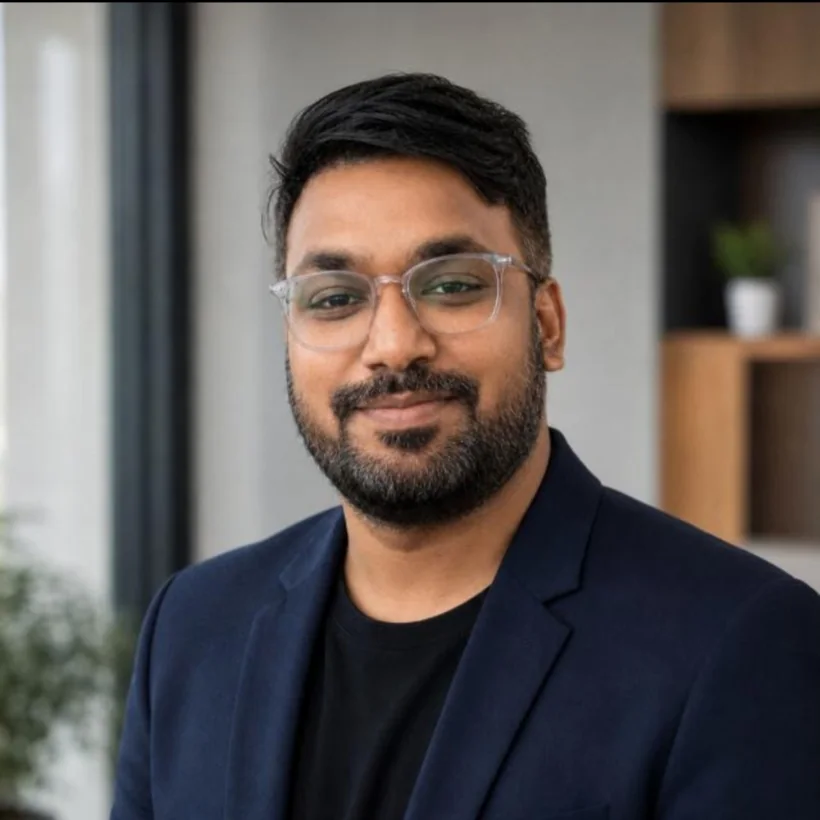
Led by Sai Pavan Velidandla and his technical delivery team, the program brings a practice-first teaching philosophy to the AI-native software era.
His professional portfolio documents years of technology training, college programs, hands-on workshops and hackathon mentorship across software and emerging technologies.
“I don't just teach technology. I help people build.”
An outcome-driven program built for faculty confidence, student engagement and a visible project showcase—not attendance alone.
One common curriculum, three practical support levels and individual proficiency checks.
Baseline and exit checks, working team projects, tests and a cohort outcomes summary.
Trainer-led labs, mentor support, starter repositories, review criteria and hackathon briefs.
Basic programming knowledge is recommended. The workshop has Foundation, Builder and Advanced practical tracks. Students with little coding experience should complete the short pre-workshop Python and Git preparation.
No. You'll learn to define requirements, work with AI coding agents, implement code, write tests, review changes and demonstrate real software behavior. Prompting is one part of a wider engineering process.
The proposed core stack is GitHub Spec Kit, an approved AI coding assistant, VS Code, Git/GitHub, Python, Streamlit, SQLite and pytest. Tool choices can be adjusted for the campus environment.
Yes. Days 1–4 use a shared guided project. Days 5–6 are a team hackathon in which participants build, test and demonstrate a real-world MVP supported by specifications and verification evidence.
Yes, provided pre-course readiness is addressed. Students learn the same core concepts but work on exercises with different levels of scaffolding and complexity. Mixed-skill hackathon teams share the same project outcome.
No. The program develops useful, demonstrable competencies and a portfolio project. Placement decisions depend on many additional factors and employer requirements.
Email the program team with your college name, expected cohort size and preferred dates. The team can discuss delivery, infrastructure, mentor support, academic coordination and commercial arrangements.
Interested in hosting a cohort? Speak directly with the program team about your students, academic goals and delivery requirements.
pavan@redruff.in +91 95024 44362